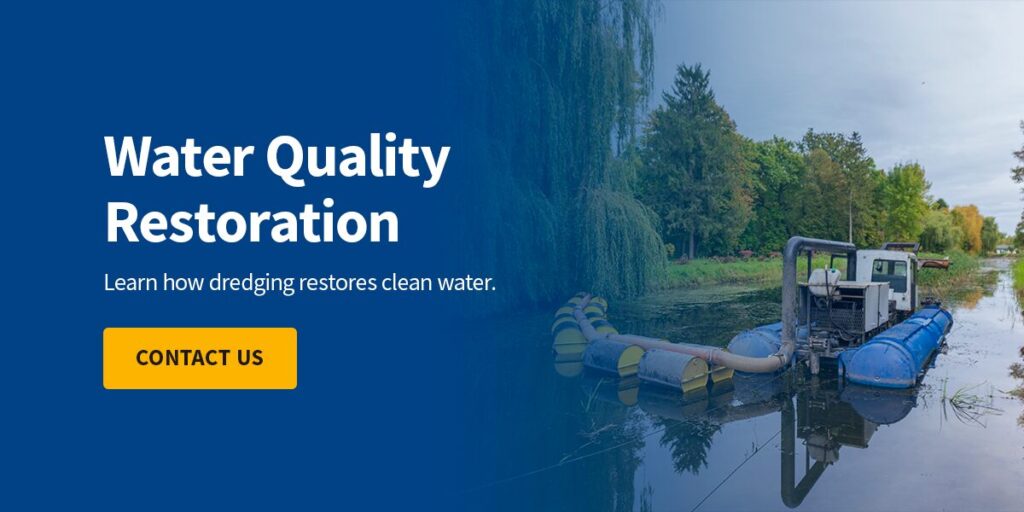
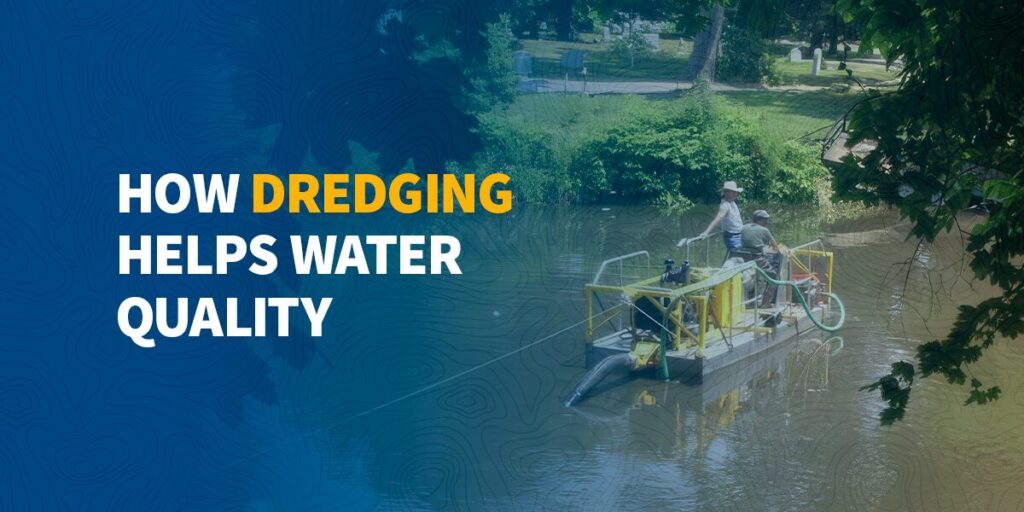
 Water is the foundation of healthy ecosystems and thriving communities. However, over time, lakes, rivers and reservoirs can accumulate layers of sediment filled with pollutants and organic matter that silently degrade water quality. These changes often go unnoticed until the symptoms appear, which include murky water, dying fish and recurring algal blooms.
For local governments, environmental professionals and community advocates, the challenge of restoring aquatic health is clear. This is where ecological dredging comes in. Below, we’ll explore how dredging helps water quality, the science behind it and the measured benefits of this precise and effective restoration method.
Removing Contaminated Sediment to Improve Water Health
At its core, environmental dredging is about sediment removal. Over decades, industrial water pollution, stormwater and agricultural practices cause pollutants to settle and build up in these layers. The sediment becomes a long-term reservoir of contaminants that continuously leach into the water column, degrading its quality.
By physically removing this contaminated sediment, dredging eliminates a major source of pollution and restores the system’s ability to sustain healthy aquatic life. Unlike navigational dredging, which focuses on keeping waterways deep enough for boats and ships, environmental dredging targets sediment because of its chemical and biological effects.
When done correctly, sediment removal dredging can dramatically reduce pollutants, restore depths and set the stage for long-term water quality improvement.
The Science of Dredging and Pollution Removal
Contaminated sediment slowly releases nutrients, heavy metals and toxins into the ecosystem. This affects fish, plants and even human health through recreational and drinking water pathways. Dredging interrupts this cycle by removing the source of pollution, allowing natural recovery processes to take place.
Reducing Nutrient Loads and Algal Blooms
In many lakes and reservoirs, the deeper sediment layers are anoxic, meaning they lack oxygen. In these conditions, nutrients such as phosphorus and nitrogen are released from the sediment into the overlying water, leading to harmful algal blooms that rob oxygen from aquatic systems and harm wildlife.
Dredging can lower phosphorus concentrations and reduce the frequency of algal blooms. The result is clearer, healthier water and a more stable aquatic environment.
Eliminating Toxic Contaminants
Sediments also trap toxic materials like heavy metals, hydrocarbons and persistent organic pollutants (POPs), which are byproducts of industrial and urban runoff. These contaminants bind tightly to fine sediment particles and can remain in the ecosystem for decades.
Dredging pollution removal works by extracting these contaminated layers, effectively removing the sources of pollution. Once dredged and properly managed, these materials are prevented from reentering the environment, ensuring long-term improvements in water quality and environmental safety.
3 Key Water Quality Improvements From Dredging
A well-executed environmental dredging project doesn’t just remove contaminants. It produces tangible, measurable improvements in key water quality parameters.
1. Increased Dissolved Oxygen Levels
When sediment contains high levels of organic matter, it fuels microbial decomposition that consumes oxygen from the water column. By removing these organic-rich sediments, dredging reduces biological oxygen demand (BOD) and allows oxygen levels to rebound. Higher dissolved oxygen supports healthier fish populations, increases biodiversity and restores natural aquatic balance.
2. Improved Water Clarity
Turbidity, the cloudiness caused by fine suspended particles, prevents sunlight from reaching submerged vegetation and disrupts the aquatic food chain. Over time, sediment buildup makes this problem worse.
Dredging clears out these fine particles, dramatically improving water clarity. Clearer water allows sunlight to penetrate deeper, encouraging the growth of beneficial aquatic plants. These plants stabilize sediments, provide habitat and further enhance the quality of water.
3. Restored Natural Water Flow
Sediment accumulation can also alter the physical structure of rivers, lakes and harbors. Channels may become shallow or blocked, reducing water movement and promoting stagnation. By restoring the original depth and channel shape, dredging can help reestablish natural water circulation.
Broader Environmental Benefits of Dredging on Water Quality
While the direct goal of dredging is water quality improvement, its ripple effects extend beyond clearer water. For example, improved water conditions can promote biodiversity and the return of native fish and plant species. In addition, cleaner, healthier water encourages boating, fishing and tourism, boosting community well-being and local economies.
Best Practices for Environmental Dredging Projects
Understanding how dredging improves water quality also means recognizing that not all dredging methods are the same. Effective environmental restoration requires precision, planning and care to protect surrounding habitats during the process.
Precision Removal and Minimizing Turbidity
Modern environmental dredging focuses on accuracy and control. The goal is to remove only the contaminated material while maintaining the stability and undisturbed state of the surrounding environment. This careful approach ensures that dredging truly improves water quality without introducing new risks.
Some of the best practices to help achieve precision and minimize turbidity during dredging include the following:
- Use of specialized hydraulic dredges: These machines are designed for controlled sediment removal, allowing operators to target contaminated layers precisely while leaving clean sediment intact.
- Real-time water monitoring: Continuous turbidity sensors track water clarity during dredging, ensuring immediate adjustments when necessary.
- Low-velocity pumping systems: Gentle pumping can help reduce the resuspension of fine sediments and minimize disturbance to aquatic life.
Proper Management of Dredged Material
What happens to the dredged water is just as important as the removal itself. Before disposal or reuse, sediments must be tested to determine the composition and contamination levels.
The following best practices guide safe and sustainable management of dredged material:
- Comprehensive testing and analysis: Each batch of sediment is analyzed for contaminants such as heavy metals and nutrients.
- Compliance with environmental regulations: Every step of handling, transport and disposal must align with local, state and federal environmental standards to ensure ecosystem protection.
- Long-term monitoring of storage sites: After disposal, containment areas need to be inspected to confirm that pollutants remain sealed and do not leach back into waterways.
Frequently Asked Questions
Get your pressing questions on dredging answered.
1. Is Dredging Safe for Aquatic Life and Surrounding Habitats?
When done responsibly, environmental dredging is designed to protect aquatic life. Modern equipment and best practices, such as silt curtains and precision hydraulic dredges, minimize turbidity and disturbance to habitats.
2. Are There Regulations or Permits Required for Dredging?
Yes. Since dredging alters the physical and biological characteristics of a water body, it’s regulated by federal and state environmental agencies. In the U.S., the Army Corps of Engineers and the EPA oversee many permits. Compliance with these rules ensures that dredging contributes to water quality improvement without causing unintended environmental harm.
3. What Happens to the Dredged Water After Removal?
Once sediment is removed, it undergoes testing to determine whether it can be safely reused or requires secure disposal. Clean material may be repurposed for wetland creation or shoreline reinforcement, while contaminated sediment is transported to controlled facilities. Proper handling of dredged material is key to maintaining the dredging water quality benefits achieved during restoration.
Partnering With Experts for Water Quality Restoration
For municipalities, environmental professionals and advocacy groups, addressing water quality challenges requires a balance of science, precision and experience. When done correctly, dredging transforms polluted waterways into thriving ecosystems that can support life and community activity once again.
GeoForm International specializes in providing advanced dredging equipment and solutions, such as our Dino 6 dredge, for dredging projects that require both environmental sensitivity and engineering excellence. Whether you’re managing a contaminated lake, restoring a riverbed or improving a reservoir, GeoForm International’s expertise ensures every project is handled safely and effectively. Contact us today to discuss a tailored dredging plan that can help restore and protect your most valuable water resources.