
Geotextile Dewatering Tubes for Ponds, Lagoons & Waterways
Sediment dewatering is an essential step for maintaining ponds, lagoons or waterways. Geotextile tubes are a smarter, more efficient alternative to active mechanical and traditional land-based methods. This process can reduce sludge volume, cut down transportation and disposal costs and help support compliance when properly designed and managed.
How the Dewatering Process Works
Dewatering is an important step in the sediment removal process. Dewatering removes water from solid sludge or other material to prepare it for disposal. The dewatering tubes squeeze the sludge as it passes through, filtering the water through the fabric material. The dried sludge is then excavated from the tube and transported to the disposal site.
What Is a Dewatering Geotextile Tube?
Geotextile dewatering bags and tubes are large, specially engineered containers made from high-strength, permeable geotextile fabric, typically woven from polypropylene. They are designed to effectively separate water from solid sediment.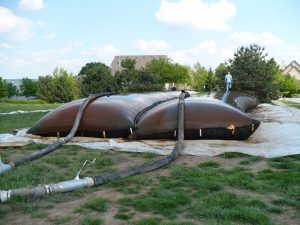
These innovative dewatering solutions are considered a passive, low-carbon method that can achieve high volume reduction. This method requires large areas for laying out the bags and containing runoff water. Drying can take weeks to months, depending on the climate and material.
High-Quality Geotextile Fabric Tubes by Envirotubes
GeoForm International carries well-constructed geotextile fabric tubes that are perfect for dewatering materials of all types. The geotextile tubes used with our dredges are made and manufactured by one of our partners, Envirotubes. Geotextile is a resilient, permeable fabric that can separate, filter and drain water from sediment. These geotextile fabric tubes exhibit high strength and robust capacity to meet the demands of wastewater treatment projects of diverse sizes, from industrial lagoons to midsized ponds.
The use of Envirotubes’ dewatering tubes at your jobsite will enable you to execute smaller pumping and sediment removal projects that are impractical with other, heavier, bulkier equipment. These dewatering tubes ensure the appropriate flow rates and operating pressures for the job. When used with the Dino 6 dredge, the dewatering tubes give you the benefit of a powerful, efficient sediment removal system that will save you time and money.
Common Applications for Geotextile Fabric Tubes
Here are some of the most common uses for geotextile fabric tubes:
- Municipal and wastewater treatment: Municipalities can pump legacy biosolid sludge from drying lagoons into tubes to restore storage capacity without excavating wet, hazardous sludge. Dewatering digester waste directly into bags saves significant space and reduces operating costs compared to mechanical presses. Tubes can also convert biological wastewater solids into compostable or land-applicable material.
- Environmental sediment removal and remediation: Tubes are suitable for removing sludge from toxic rivers, lakes and harbors, immobilizing heavy metals and hazardous contaminants on-site.
- Industrial and manufacturing: Tubes can be used to contain tailings and coal fines for mining and aggregate, allowing operators to safely stockpile solids and recycle separated process water. They are also ideal for dewatering fibrous organic sludges and chemical waste produced during paper manufacturing.
- Construction and civil works: Tubes are ideal for managing sediment-laden water, concrete washwater and drilling muds on active job sites to help ensure compliance with EPA and local stormwater regulations. They can also remove high-moisture spoils from construction pits to keep working areas dry and workable.
Key Benefits of Dewatering With GeoForm International
Dewatering with high-strength geotextile fabric tubes is a highly efficient method of separating solids from liquids in sludges and slurries.
Some of the benefits of working with our products include:
- Massive volume reduction: Most of the water content is drained, turning large volumes of liquid sludge into a highly consolidated, spadable cake. This significantly lowers haulage and disposal costs.
- High solids retention: Engineered fabrics are designed to capture most suspended solids and silt, ensuring the return water is safer and clearer.
- Cost-effective option: Compared to mechanical alternatives like belt filter presses or centrifuges, geotextile tubes require minimal equipment, energy and continuous operational oversight.
- Reduced environmental impact: Beyond providing clearer return water, geotextile tubes offer a low-carbon-footprint dewatering method compared to energy-intensive mechanical systems. They minimize disturbance to surrounding areas and can facilitate the beneficial reuse of dewatered materials, contributing to healthier ecosystems.
Design Your Dewatering Project With GeoForm International
Contact us to learn more about our U.S-made sediment removal products!